
January 16, 1991
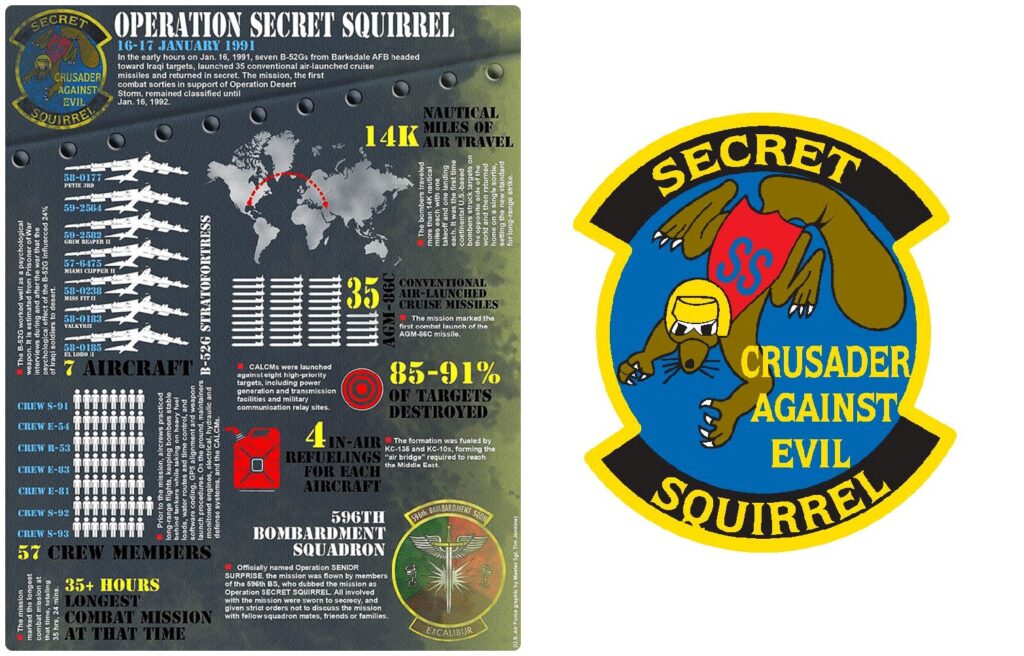
1991: Operation Secret Squirrel. The 2d Bomb Wing at Barksdale AFB sends B-52Gs at 0636 local time to Iraq; they launch 35 cruise missiles on 17 January at the start of Desert Storm.
1991: Operation Secret Squirrel. The 2d Bomb Wing at Barksdale AFB sends B-52Gs at 0636 local time to Iraq; they launch 35 cruise missiles on 17 January at the start of Desert Storm.

1950: General of the Air Force Henry H. Arnold dies of a heart ailment at Sonoma, CA.
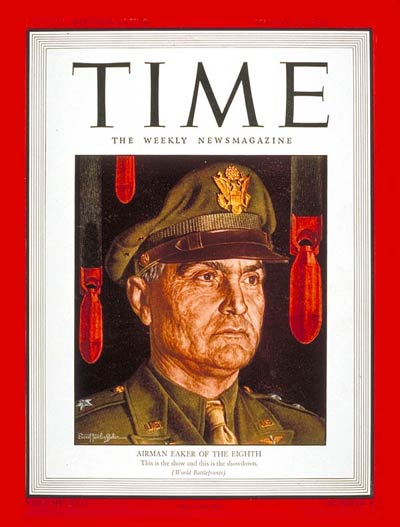
1943: The Casablanca Conference opens. Plans for a combined bomber offensive against Germany are established. Lt Gen Ira C. Eaker promotes a daylight-bombing offensive for U. S. forces.
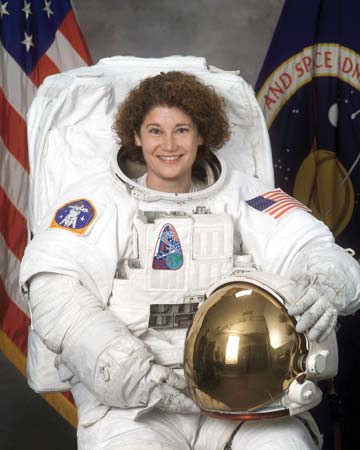
1993: FIRST US MILITARY WOMAN IN SPACE. Maj Susan Helms becomes the first US military woman in space during a flight of the Space Shuttle Endeavour.
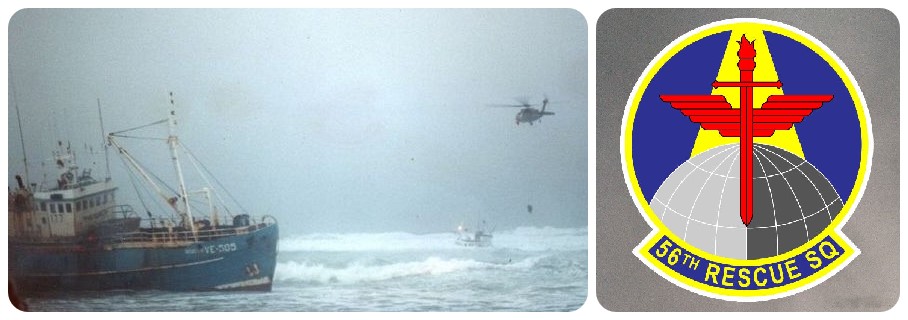
1994: An HH-60G Pave Hawk from 56th Rescue Squadron at Keflavik, Iceland rescues six sailors off the coast; receives the 1994 Mackay trophy.
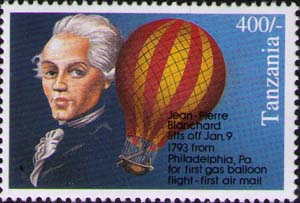
1793: Jean Pierre Blanchard makes the first manned balloon flight in America with a 46-minute trip between the Wall Street Prison in Philadelphia PA, to Deptford Township, NJ carrying landing clearance orders signed by President
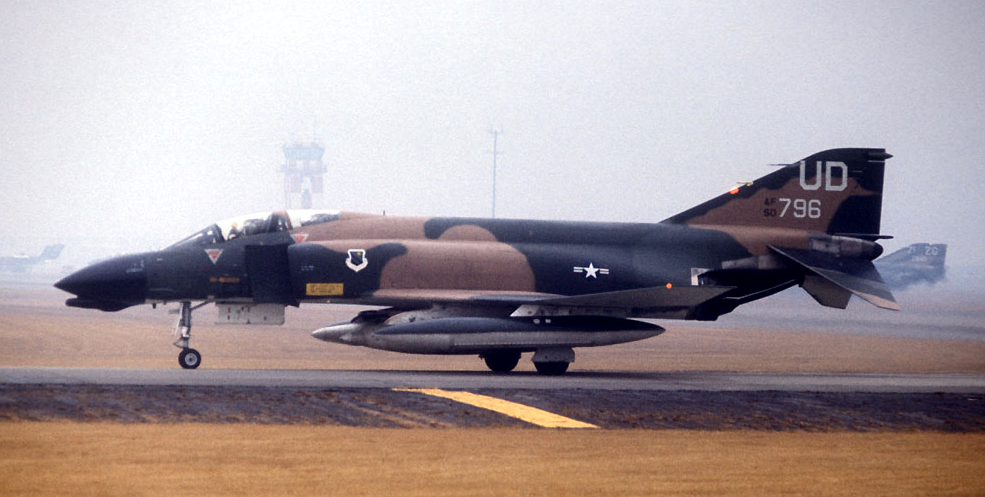
1973: LAST AERIAL VICTORY. In their F-4D Phantom 65-0796, Capt Paul D. Howman and 1Lt Lawrence W. Kullman shoot down a MiG southwest of Hanoi with a radar-guided AIM-7 missile. This shootdown was the last
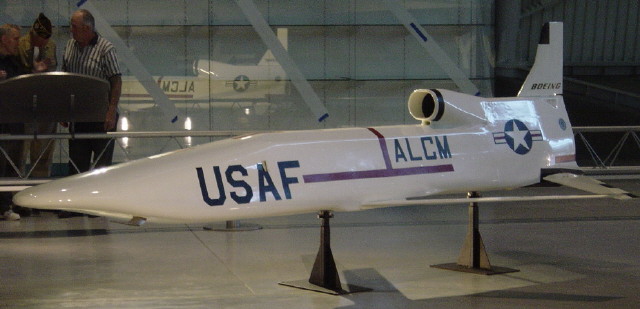
1977: The Department of Defense places the Air Launched Cruise Missile (ALCM) program into full-scale development and sets up a joint cruise missile project office.

1945: BATTLE OF THE BULGE: American and British forces counterattack the Germans under the protection of Allied airpower.
