
The Southern Museum of Flight—one of the Southeast’s largest aviation museums—is dedicated to celebrating the past, present, and future of aviation in Alabama and the South through one-of-a-kind exhibits and large-scale dioramas, as well as special programming and K-12 tours, camps, and programs. The Museum has over 100 military, civilian, and experimental aircraft as well as an extensive collection of engines, uniforms, weapons, photographs, and other aviation memorabilia from the earliest days of powered flight to the present. It’s all beautifully presented in four hangars of exhibit and educational space in our 75,000-square-foot facility in Birmingham, Alabama.
Museum highlights include a large exhibit on the groundbreaking Tuskegee Airmen, including three WWII-era trainers and the last known B-25 Mitchell flown by the Airmen; an exquisite full-sized replica of the 1903 Wright Flyer; a 1920s Huff-Daland crop duster that began Delta Airlines; a Korean War diorama featuring an F-86 Sabre and a North Korean MiG-15; and an A-12 Cygnus spy plane that could fly at Mach 3+. Other features include the Shadow Gallery, which tells the story of America’s covert operations through paintings and memorabilia; the Alabama Aviation Hall of Fame, with its exhibit cases and 80 biographical plaques honoring our state’s aviation history; and a playroom for our youngest visitors.
The Museum is also a pioneer in aviation workforce training through its dual-enrollment program that launches students toward certification in various aviation-related fields in cooperation with Snead State Community College.
The Southern Museum of Flight is open Tuesday-Saturday, 9am-4pm, and is conveniently located right off I-20/59 close to the Birmingham-Shuttlesworth International Airport.
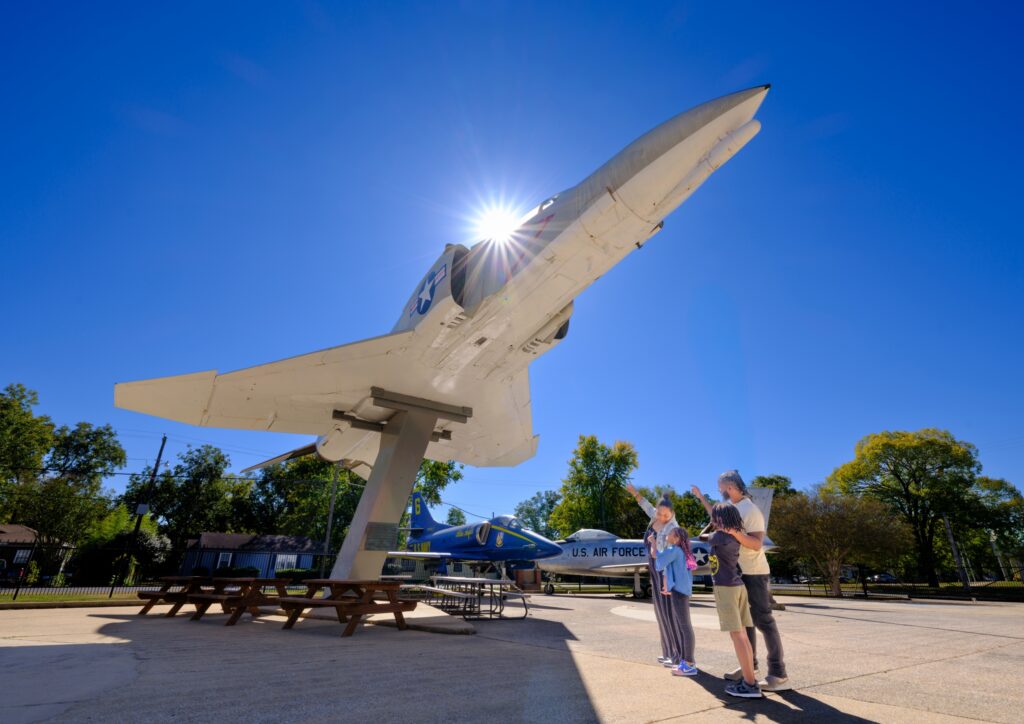
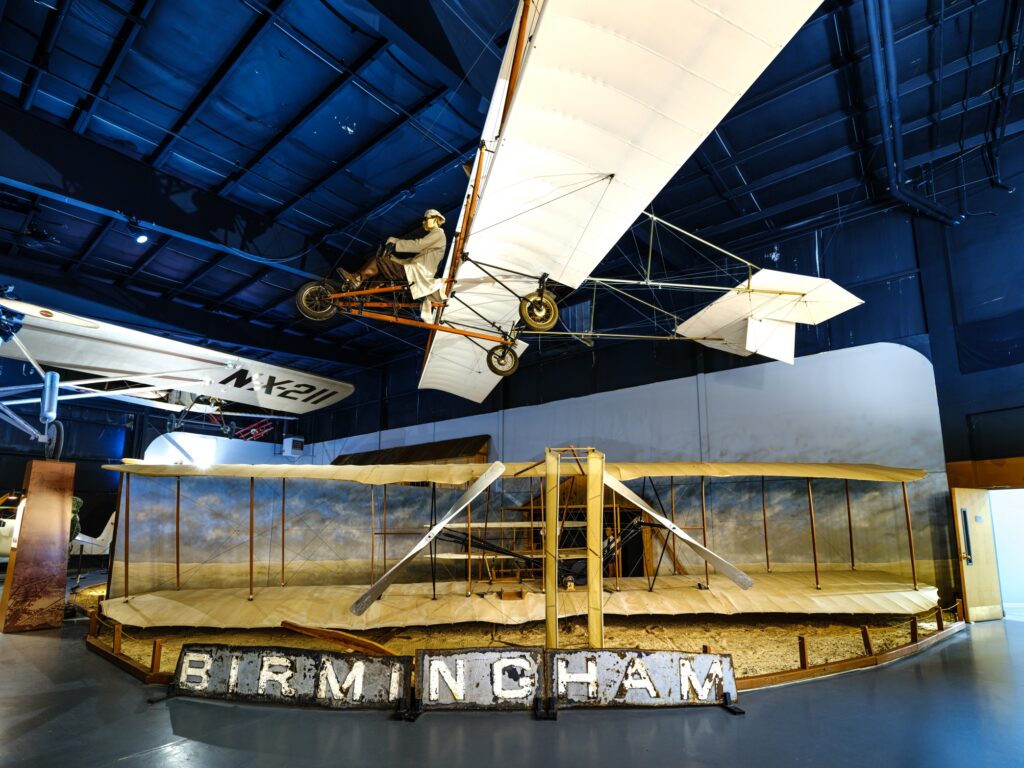
The Air Zoo is a Smithsonian-affiliated aerospace and science center featuring a one-of-a-kind collection of more than 100 aircraft and spacecraft, including the only remaining SR-71B Blackbird and XP-55 Ascender, as well as an F-14 Tomcat and other legendary aircraft. Guests may also experience full-motion flight simulators, hands-on science exhibits, indoor rides, a theater, and convenient on-site amenities such as the Kitty Hawk Café and the Air Zoo Store.
The Air Zoo’s world-renowned Restoration Center provides a unique opportunity to observe the preservation of historically significant aircraft. Projects have included the restoration of several WWII-era aircraft recovered from Lake Michigan and an F-117 Nighthawk. Many restored aircraft are on display throughout the Air Zoo and in museums such as the Pearl Harbor Aviation Museum and American Heritage Museum.
Featuring more than 200,000 square feet of exhibits and experiences, the Air Zoo offers endless opportunities for exploration for guests of all ages with accessible facilities to ensure a welcoming experience for all. Conveniently situated just off I-94 between Detroit and Chicago, the Air Zoo invites you to plan your visit and discover why it is one of the nation’s most exciting destinations for exploring the history of flight and space exploration.

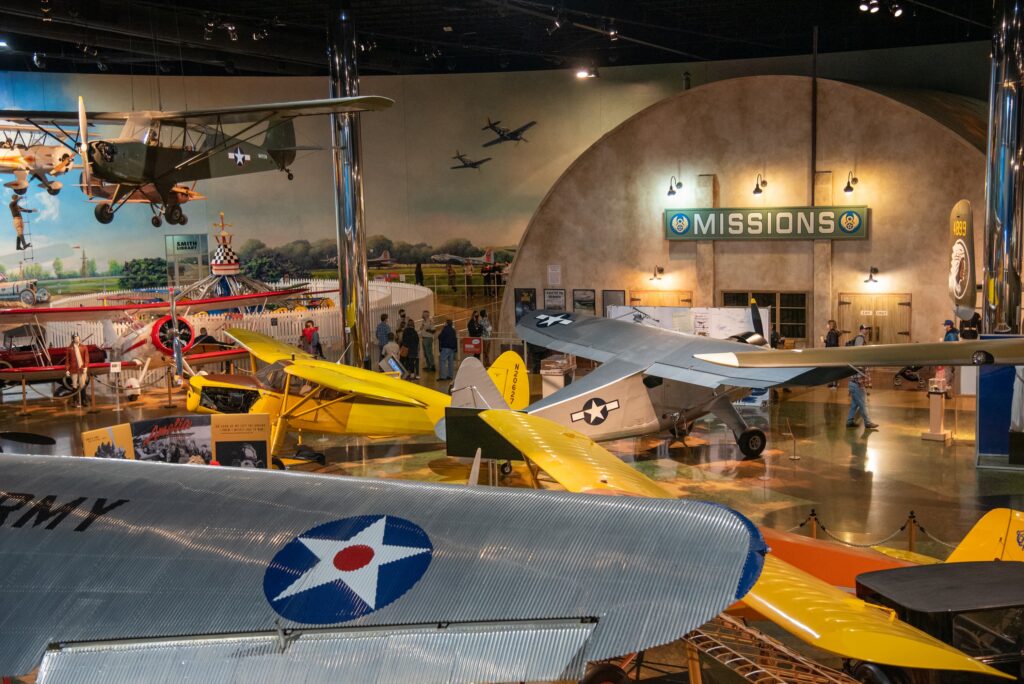
Discover the Exciting World of the US Army Aviation Museum
The US Army Aviation Museum and Foundation is on an exhilarating mission to ignite the imaginations of future generations! We are committed to developing dynamic programs designed for diverse audiences. Our offerings include tours, lectures, and activities that transform learning into an exciting adventure for explorers of all ages and interests. Join us as we soar into the captivating realm of aviation history – where education meets excitement and curiosity knows no limits.
A Global Journey into Army Aviation History
Our engaging guided tours are crafted to captivate visitors of all ages, making education an exciting experience! Best of all, these tours are complimentary and can be tailored to meet the specific needs and interests of your group. Prepare for an unforgettable journey through time, as you explore the people who have shaped Army aviation history!
Educational Opportunities for Military and Civilian Personnel
We offer Professional Military Education and Leadership Development Programs at the Museum and Training Support Facility for Soldiers, Department of Army Civilians, and Joint, Interagency, and International Partners. These sessions are conducted through formal instructional programs and can be arranged in advance.
Participants engage with the technological, social, political, economic, organizational, and institutional aspects of our narratives as we explore Army Aviation history—from the Union Balloon Corps of 1861 to the present day. We share insights and lessons from historical challenges, illustrating the obstacles faced and the leadership lessons learned. We encourage participants to utilize a bridge to the past as they carve their path to the future!

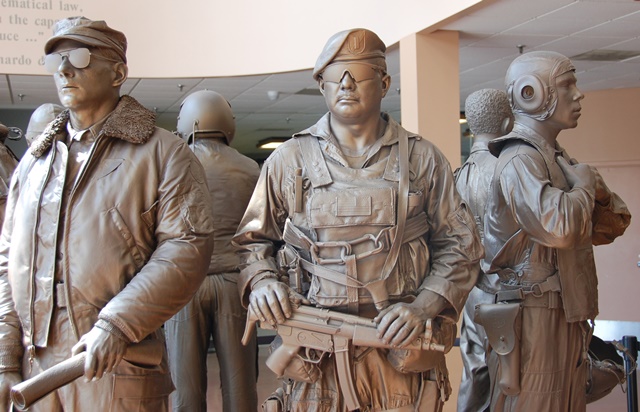
Globally recognized as the “Birthplace of Aviation,” the great state of Ohio is home to a diverse pantheon of trailblazing aviators and astronauts, advocates and entrepreneurs, inventors and engineers, and others whose enduring contributions and distinguished service have put Ohio at the forefront of flight since the first powered flight in 1903.
Surprisingly, up until now Ohio has not had an appropriate organization and place with which to prominently honor its own true heroes and legends of flight. To serve in that role, the Ohio Air & Space Hall of Fame and Learning Center (Ohio Air & Space) has been established as a 501(c)(3) non-profit organization, its core mission being to permanently preserve the inspiring legacies of this state’s outstanding pioneers of flight and publicly herald their achievement, both as a point of pride and to foster continued innovation.
Serving to connect students, scholars and visitors with the compelling achievements of Ohioans like the Wright Brothers, Eddie Rickenbacker, John Glenn, Jerrie Mock, and Neil Armstrong – to name but a few, Ohio Air & Space will be an education force-multiplier for all ages.
Thanks to a State of Ohio cornerstone grant of $550,000, City funding of $275,000, and support from private funders, such as NetJets, the Ohio Air & Space Hall of Fame and Learning Center will soon house its interactive exhibits, displays, and artifacts at Port Columbus, where they will be accessible to students, educators, scholars and the public. The Ohio Air & Space mission will be augmented through on-site and state-wide educational programming presenting speakers, seminars, festivals, ceremonies and visiting aircraft significant to Ohio’s heritage of flight.
Ohioans have led mankind from soaring over Huffman Prairie to walking on the lunar surface, helping shape our state, our nation and our world in countless positive ways. Please support the Ohio Air & Space Hall of Fame and Learning Center as we celebrate this remarkable legacy and ensure Ohio continues to lead the way in air and space.

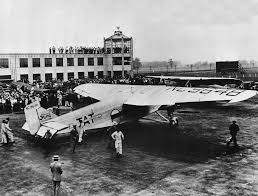

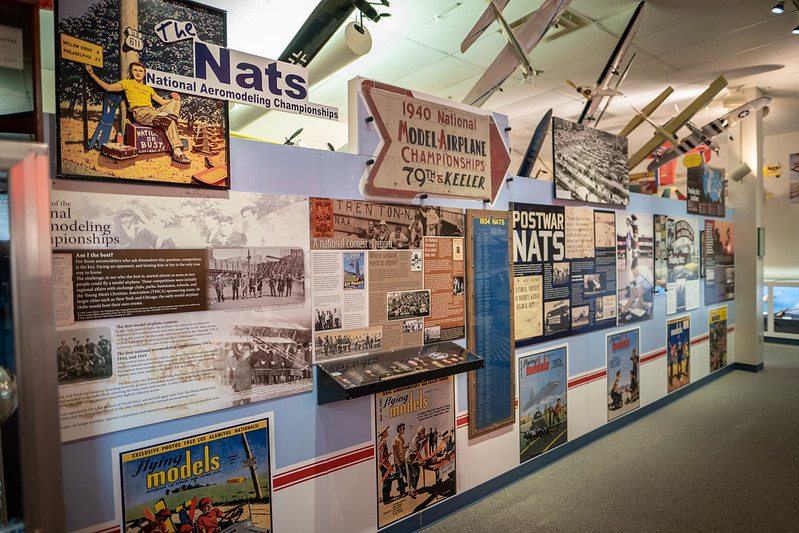
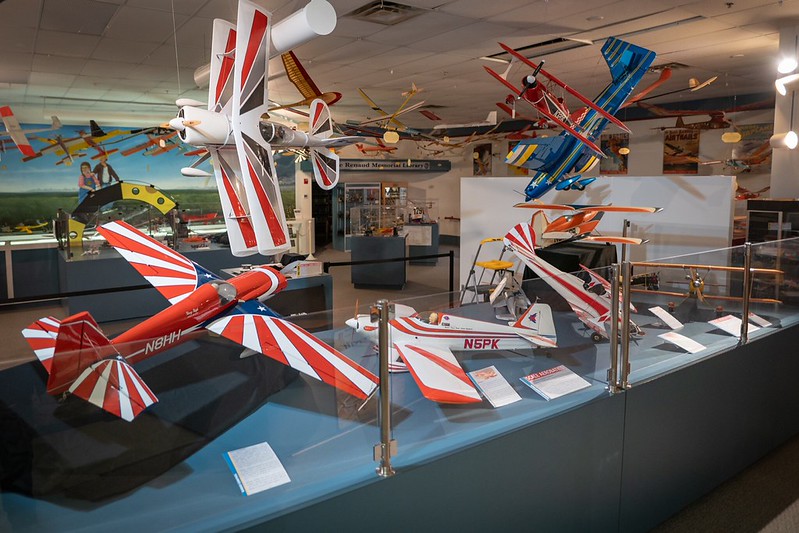
The museum and library is dedicated to collecting and preserving significant pieces of aeromodeling history in order to inspire a broad and passionate understanding of the historic, scientific, technical, and artistic legacy of model aviation, creating learning opportunities that stimulate the imagination, and encourage visitors to become actively involved in the world of aeromodeling.
The National WASP WWII Museum in Sweetwater, Texas, honors the trailblazing women of the Women Airforce Service Pilots (WASP), the first women to fly military aircraft for the United States.
Although the WASP were not officially recognized as military personnel at the time, it didn’t stop them from making history. Between 1942 and 1944, these courageous women ferried aircraft, tested planes, trained male pilots, and towed live-fire targets, all to free male pilots for combat duty.
In just two short years, the WASP flew more than 60 million miles across the United States. Yet, as the war drew to a close, the program was disbanded so men could return to their jobs. The women’s records were sealed, and their service went largely unrecognized until 1977, when the WASP finally won the fight to gain military status.
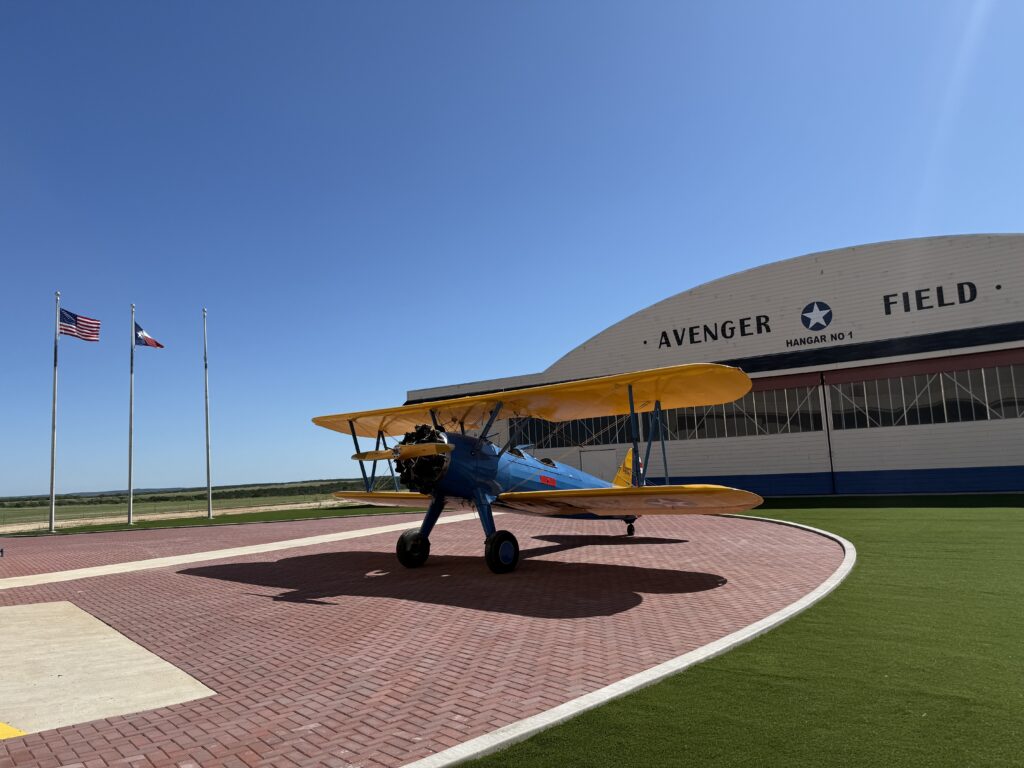
Today, the National WASP WWII Museum stands proudly on Avenger Field, where these pioneering women once trained and took flight. Entirely privately funded by dedicated supporters, the Museum continues to preserve the history, promote the legacy, and protect the airfield, inspiring future generations through education, exhibits, and storytelling on the very ground where history was made.
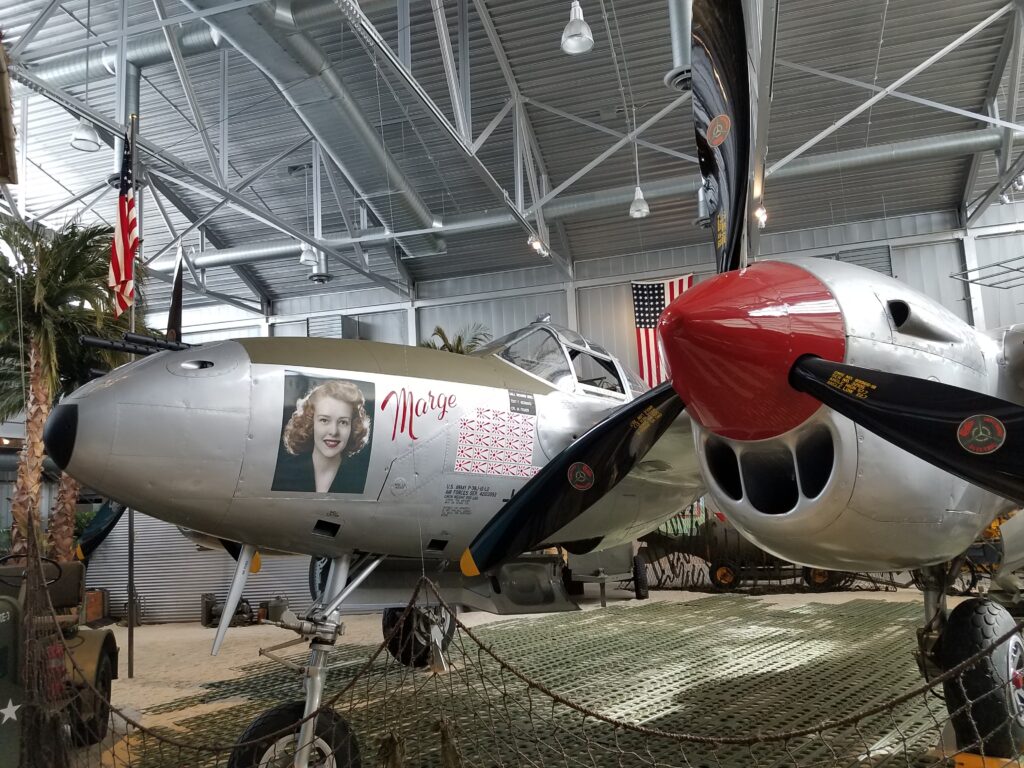
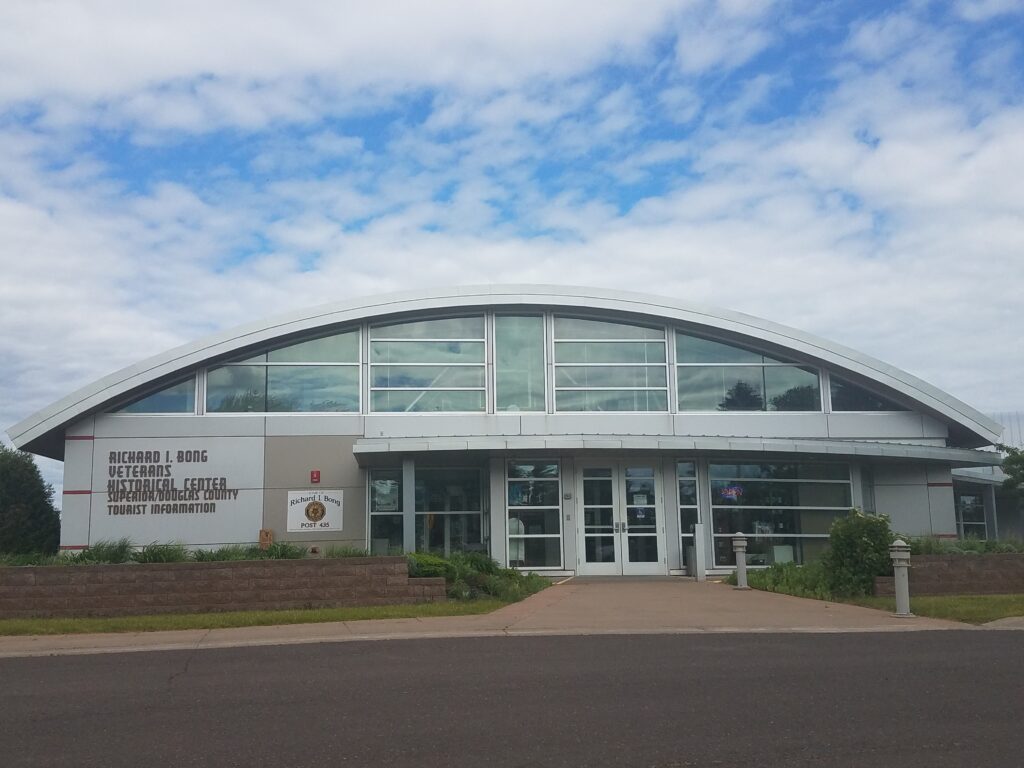
The museum is located in Superior, Wisconsin and is named after Major Richard I Bong, America’s Ace of Aces. He is the top scoring U.S. pilot, having shot down 40 confirmed airplanes in the Pacific Theater during WWII. Major Bong was born in Superior and raised on a farm in Poplar, Wisconsin about 10 miles from Superior. The museum’s centerpiece is a restored P-38 Lightning done in the “Marge” markings to represent Bong’s famous plane that he named after his then girlfriend Marge Vattendahl in 1944. Although named after Major Bong, the Bong Veterans Historical Center preserves and shares the stories of local veterans from WWI to present day. Our gallery space presents exhibits on WWII, Korea, and Vietnam. Our collection space and research library contains over 17,000 3D items, 4,000 books and tens of thousands of digital images. We also have a robust oral history program, with a growing collection of audio and video veteran oral histories that currently numbers at over 800.
In 2024, the museum partnered with Pacific Wrecks to fund an expedition to Papua New Guinea in an effort to locate the famous “Marge” airplane, which crashed on the northern coast on March 24, 1944. The plane was found almost exactly 80 years later in May 2024. In the debris of the crash site, one piece, the wingtip, was positively identified with the 993 serial number unique to Bong’s Marge and still had some of the red paint on it. This project garnered international attention and Major Bong was once again in the headlines. The project has snowballed into some very exciting partnerships. The Bong Veterans Historical Center has formed a “sister museum” relationship with the National Museum and Art Gallery in Port Moresby, Papua New Guinea. In 2025, the Bong Center and Pacific Wrecks donated an exhibit about Major Bong and the “Marge” expedition to the opening of the new aviation hangar at the Port Moresby museum. It now sits alongside their P-38 wreckage that was salvaged after WWII.
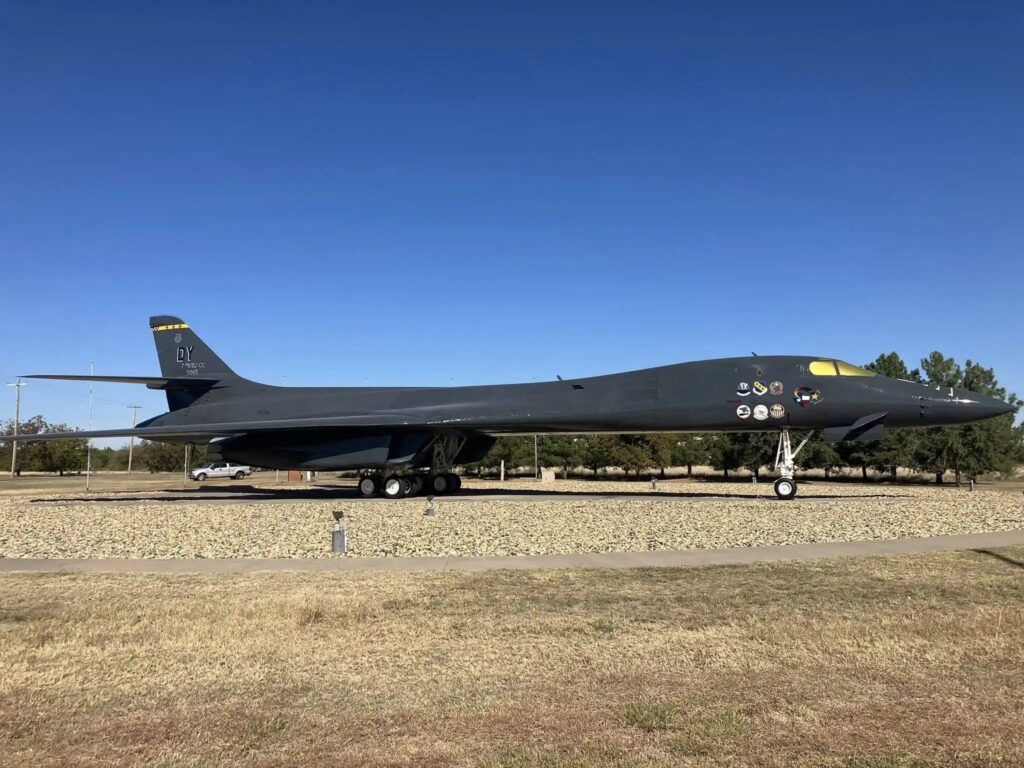
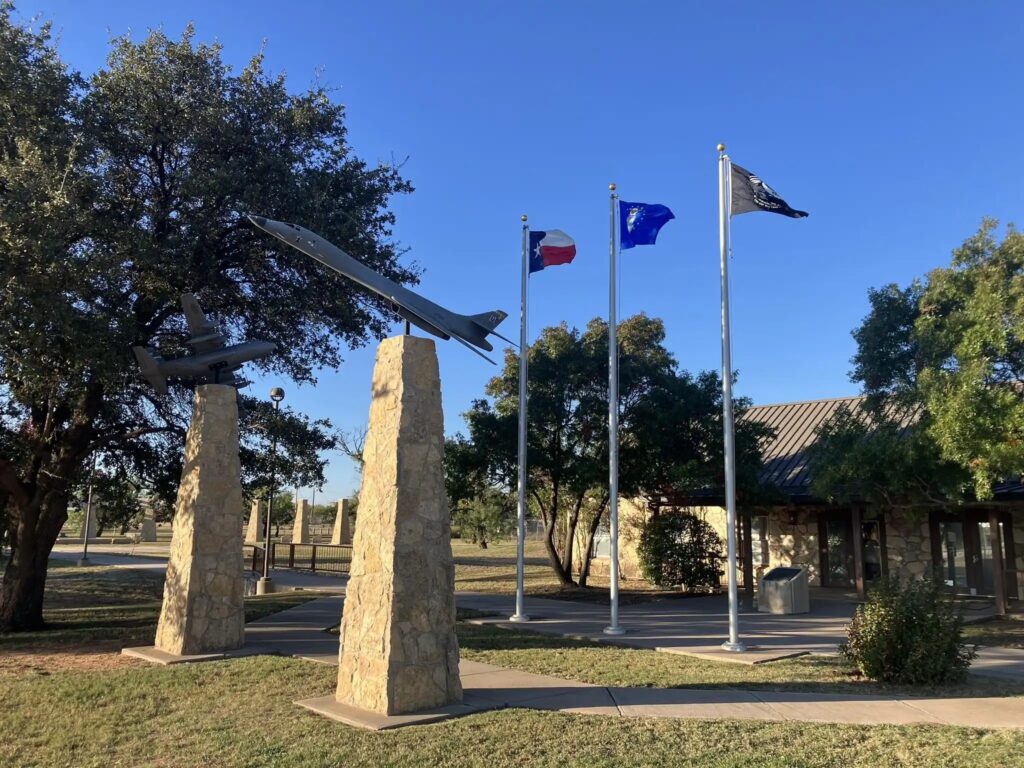
The idea for the Dyess Linear Air Park was first conceived in 1979 when 15AF commander General James P. Mullins ordered all units under his command to establish a history and heritage display. Through a series of steps and over a decade of gathering aircraft and artifacts, the Dyess Linear Air Park was christened in 1991 as a 1.3 mile long jogging path, winding its way through historic and modern static display aircraft.
The Dyess Linear Air Park consists of 35 aircraft, 7 inert ordinances, and one full-scale model, ranging from World War II to the modern B-1B Lancer still flown at Dyess Air Force Base today. The air park features the first B-1B Lancer, “The Star of Abilene”, the first production C-130A, “The City of Ardmore”, the last C-7A Caribou in active service, flown as a drop ship by the Golden Knights, and a T-6 Texan featured in the 1970 film Tora Tora Tora and the 1975 film Midway.
The Dyess Memorial Museum is a place dedicated to the memory of all the Dyess AFB airmen who have been killed on active duty throughout the base’s existence. The museum features a memorial park and pavilion. Inside there are exhibits dedicated to the units serving and formerly serving at Dyess, as well as some general aviation history. Spanning from the WWII base named Abilene Army Air Field through the modern day, this museum is entering a Renaissance era where it will be updated and hopefully expanded.
Where America’s Space Journey Began
Step inside the Cape Canaveral Space Force Museum – a place where history launches into the future. It’s mission – to collect, preserve, and exhibit the history of the United States’ ventures into space.
From the first U.S. satellite, Explorer I, to more than 8,000 launches, the Cape has been the heart of America’s space story since 1950. Founded in 1966 as the Air Force Space Museum at historic Launch Complex 26, today it proudly showcases the U.S. Space Force’s role in shaping the nation’s space legacy.
Explore iconic sites like historic launch complexes, Hangar C, and the Sands Space History Center – featuring restored rockets, rare artifacts, and the stories of those who turned the Cape into the World’s Premier Gateway to Space.

Commemorative Air Force (CAF) Airbase Georgia, based in Peachtree City, GA, maintains and operates several rare WWII vintage aircraft, including a P-51D Mustang, an FG-1D Corsair, one of the few flying SBD-5 Dauntless dive bombers in the world, a P-63A Kingcobra, an LT-6 Texan, a T-34B Mentor, and a Fairchild PT-19A Cornell. The airbase also has a Republic P-47N Thunderbolt and Boeing N2S Stearman biplane in the restoration process. The Warbird Museum and hangar are open free to the public from 9 a.m. to 4 p.m. every Tuesday, Thursday and Saturday, except on major holidays.
The Commemorative Air Force, based in Dallas, TX, was founded to acquire, restore and preserve in flying condition a complete collection of combat aircraft flown by all military services of the United States, and selected aircraft of other nations, for the education and enjoyment of present and future generations of Americans. Airbase Georgia is one of the largest units of the CAF. It is a non-profit, tax-exempt “flying museum” that depends on contributions of time and funds to carry out its mission. Airbase Georgia is the only Flying Museum in the Atlanta metro area.
Founded in 1987, the unit was designated CAF Dixie Wing in 1989, and was awarded Airbase status in 2021 based on its tremendous growth and accomplishments over its 35-year history. The all-volunteer organization has more than 300 members, and the aircraft appear at air shows and events throughout the Eastern United States. Rides can be purchased on four of the planes, either at shows or at the hangar base.
Airbase Georgia is at 1200 Echo Ct., Peachtree City, GA, 30269, adjacent to Atlanta Regional Airport – Falcon Field (KFFC). Contact the Airbase at airbasegeorgia.org, or 678-364-1110.


Since 1977, Warbird Air Museum has been a growing airplane museum in Titusville, Florida. For over 45 years, our group of aviation enthusiasts, veterans, and pilots have collected historic airplanes from pivotal times throughout America’s history. Some of these aircraft date back to the early days of human flight. Others are from key moments in world history like World War II. We are a 501c(3) educational organization that preserves these warbirds to educate citizens about the importance of the men and women who flew them, maintained them, and fought inside them. Visitors of our facility can experience restored classics and aircraft that can’t be found anywhere else in the world. We are excited to share our nation’s aviation history with you!


Our Mission: Creating unlimited horizons in aerospace education through the preservation and presentation of the history of flight.
Incorporated in the state of Arizona on November 20, 1967, as the Tucson Air Museum, the Arizona Aerospace Foundation is a member-based not-for-profit foundation, funded by gate admissions, concessions and donations. The Foundation operates the Pima Air & Space Museum and the Arizona Aviation Hall of Fame in Tucson, Arizona, and the Titan Missile Museum in Sahuarita, Arizona.
The Pima Air and Space Museum opened for business in 1976 and today is one the largest and most diverse aviation museums in the world with an onsite restaurant and museum store. The museum has 80 acres of public display grounds, exhibiting over 425 aircraft both outside and indoors across 300,000 square feet in 6 display hangars and has in its small artifact collection over 125,000 artifacts including the archives and photo collection, covering the age of aerospace from 1903 to the current day. The museum attracts more than 190,000 visitors annually.
The Titan Missile Museum opened in 1986 and is the only publicly accessible Titan II Missile Complex of the 54 that were on alert from 1963 to 1987. It is one of two intercontinental ballistic missile (ICBM) sites in the world that have been preserved for the benefit of the public. Designated a National Historic Landmark in 1994, the underground missile complex was built to withstand virtually all but a direct hit from an enemy warhead. Located in Sahuarita, Arizona, Armed with the largest warhead ever deployed on an American ICBM, the Titan II represented a critical part of our nation’s defense in a war no one could win. 55,000 people visit annually.


Most Touchable Warbirds in North Texas
Fort Worth Aviation Museum
Giving wings to youth and community through our aviation roots. We preserve inspire and educate.
We celebrate impacting people and showcase valuable accomplishments in the aviation industry. North Texas history is rich with incredible stories and aviation triumphs. Visit our museum where we display our heritage, educate citizens, and inspire the youth to achieve their full potentials. We have over 25 airplanes, interactive exhibits, and a flight simulator.
Our Vision: To celebrate and showcase the people and aviation accomplishments of North Texas, in a museum and science center that can preserve and display our heritage, educate our community, and inspire our young people to stay in school and achieve their full potential.

Transferred from the United States Air Force to a group of volunteers in 1994, Wings Over the Rockies Air & Space Museum is located in Hangar #1 of the former Lowry Air Force Base in Denver, Colorado. Today, the museum boasts more than 100,000 square feet of hangar space full of iconic aircraft, space vehicles, artifacts, military uniforms, and much more. Visitors can also experience thrilling flight simulators, discover various educational programs, and participate in dozens of exciting museum-sponsored events.
Wings Over the Rockies Air & Space Museum is a diverse community organization dedicated to unlocking our visitors’ dreams of flight through exhibitions, events, and educational programming. Each year, we welcome roughly 160,000 visitors representing all 50 U.S. states and 34 countries around the world.


The Museum of the Forgotten Warrior is dedicated to the troops that wanted to go, but higher powers decided “we need you here”. To those that timing a place limited to “two, mayday, bingo, lead you’re on fire”. There were a few Bongs, Yeagers, MacCampbells; but there were thousand more that were held back as Instructors. Or those sent to keep a sealane open off some unknow atoll in the Pacific. The Museum tries to tell the stories of those that never had the chance to be the hero they trained to be.
Where the Sky Has Never Been the Limit!
Come visit the “Home of the Right Stuff,” where the world’s most exciting and edge-of-the-envelope flying happens every day! Where we tested America’s first jet, the XP-59; Maj Chuck Yeager broke the sound barrier in the X-1; NASA launched rocket planes like the X-15 to the edge of space and conducted the first glide flights of the Space Shuttle. History is still being made every day in the Aerospace Valley by inspired people designing, building and flying the most advanced aircraft yet imagined!
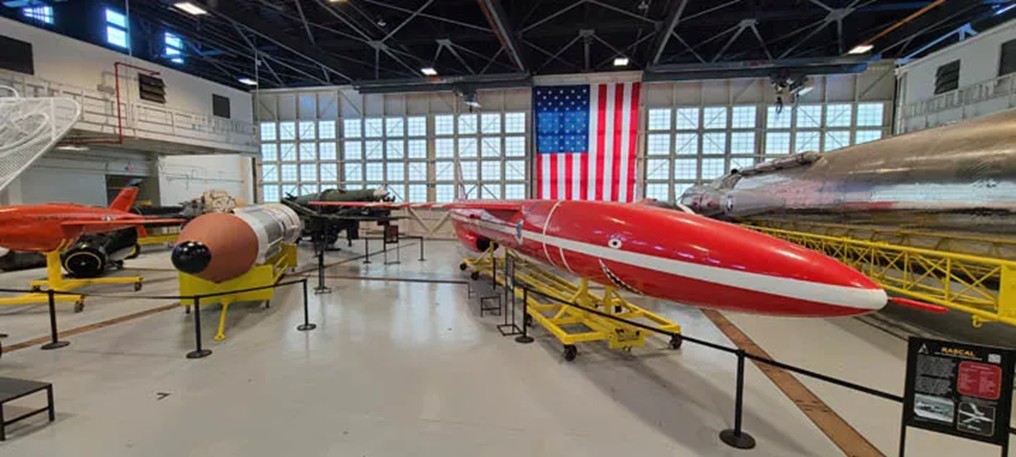
The Flight Test Museum owns more than 85 historical aircraft from over 75 years of flight test pioneered at Edwards Air Force Base, NASA Armstrong Flight Research Center, Plant 42 and the Aerospace Valley, CA. You’ll also see aircraft engines, missiles, flight suits and helmets, life support equipment, technical drawings, test reports, personal memorabilia, photographs, and wind tunnel models from the Golden Age of Flight Test.
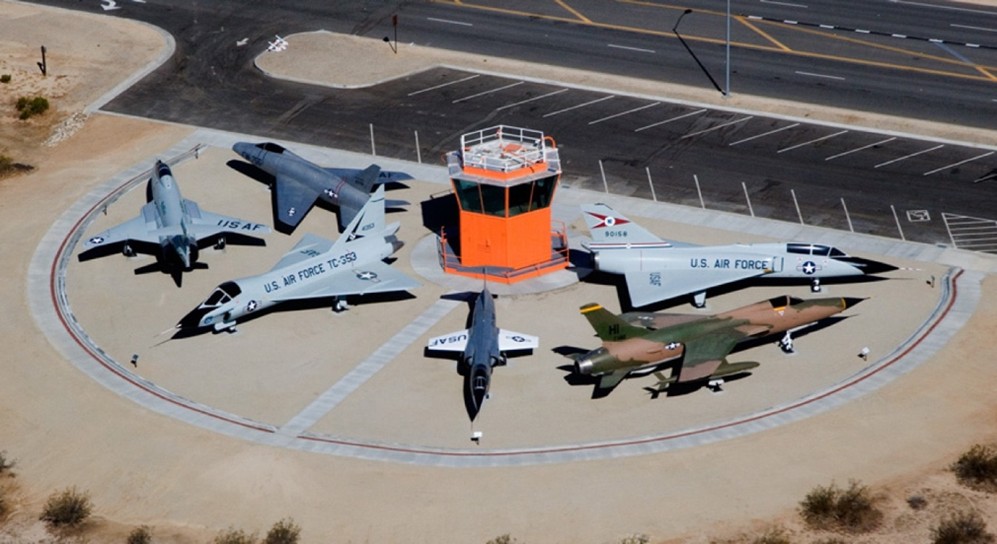
Though admission is free, most exhibits are currently only accessible to those with Base access. A “Century Series” airpark sits just outside the main gate and right next to it, an ambitious expansion is underway—a new, state-of-the-art museum that will protect these rare artifacts from the harsh desert while bringing aviation history to life like never before. With immersive exhibits, lecture halls, STEM labs, and the Robert A. Hoover SETP Archives & Library, the new museum will be a hub of discovery, innovation, and inspiration. The sky is not the limit—it’s just the beginning.

Nestled on historic grounds in East Garden City, New York, the Cradle of Aviation Museum is an educational gem on land that was part of the former Mitchel Air Force Base. This site and nearby Roosevelt Field hosted many historic flights, rightfully earning the nickname “Cradle of Aviation.” The museum is dedicated to preserving Long Island’s significant contributions to aerospace, science, and technology, inspiring future generations through interactive learning and historic displays.
Featuring over 75 air and spacecraft, including a 1909 Bleriot, Charles Lindbergh’s WW1 Jenny, combat aircraft such as a P-47N Thunderbolt and an A-10 Thunderbolt II, and the crown jewel, LM13—a Grumman Lunar Module intended for Apollo 19—the museum showcases the pinnacle of aerospace innovation. The journey through time is complemented by our giant dome theater planetarium, offering immersive explorations of science, technology, and the universe.

