
December 13, 1933

1933: President Franklin D. Roosevelt presents the first Air Mail Flyer’s Medal of Honor to Mal Bryan Freeburg.
1933: President Franklin D. Roosevelt presents the first Air Mail Flyer’s Medal of Honor to Mal Bryan Freeburg.
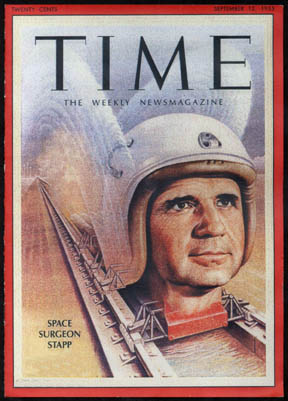
1954: On a rocket-propelled sled run, Lt Col John P. Stapp attains 632 MPH (equal to Mach 1.7 at 35,000 feet) and decelerates to zero in 1.4 seconds. He experiences the greatest G-force ever
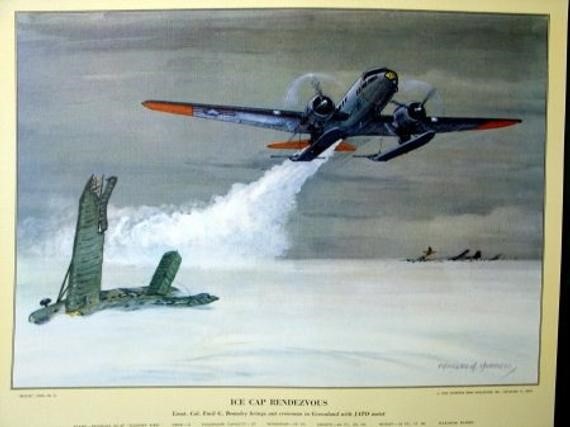
1948: MACKAY TROPHY. An arctic storm forces a C-47 Skytrain to land on the Greenland ice cap, stranding the crew of seven. In a rescue attempt using a B-17 and a towed glider, five more
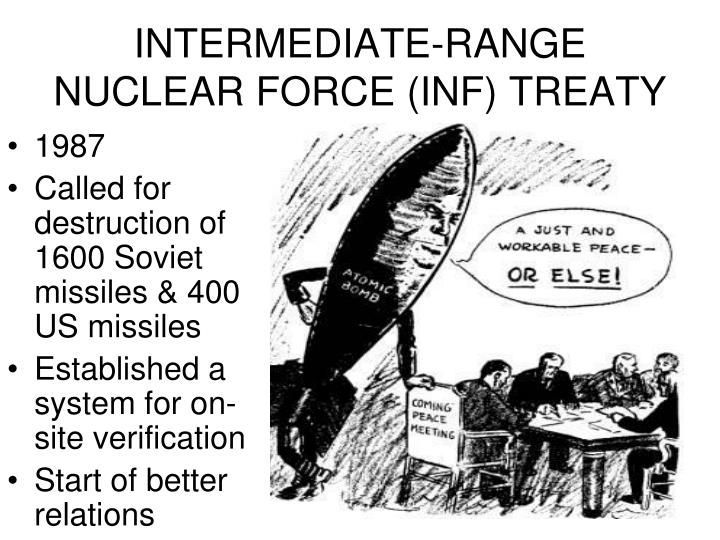
1987: The US and Soviet Union sign the Intermediate-Range Nuclear Forces Treaty to remove all intermediate range nuclear missiles (620 to 3,415 miles) from Europe. Following the agreement, the USAF inactivates six Ground Launched
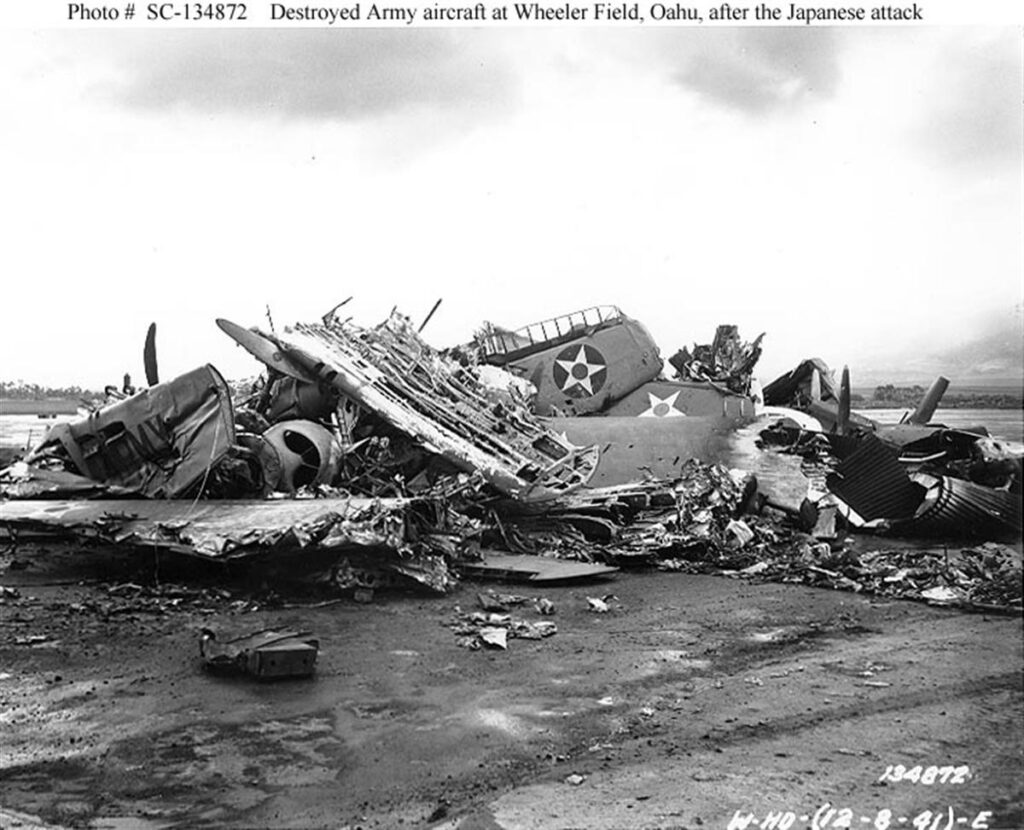
1941: The Japanese bomb Pearl Harbor and bring America into WW II. Two waves of Japanese fighters sink four U.S. battleships and damaged nine others. Overall, the surprise attack kills 2,390 personnel, including 193
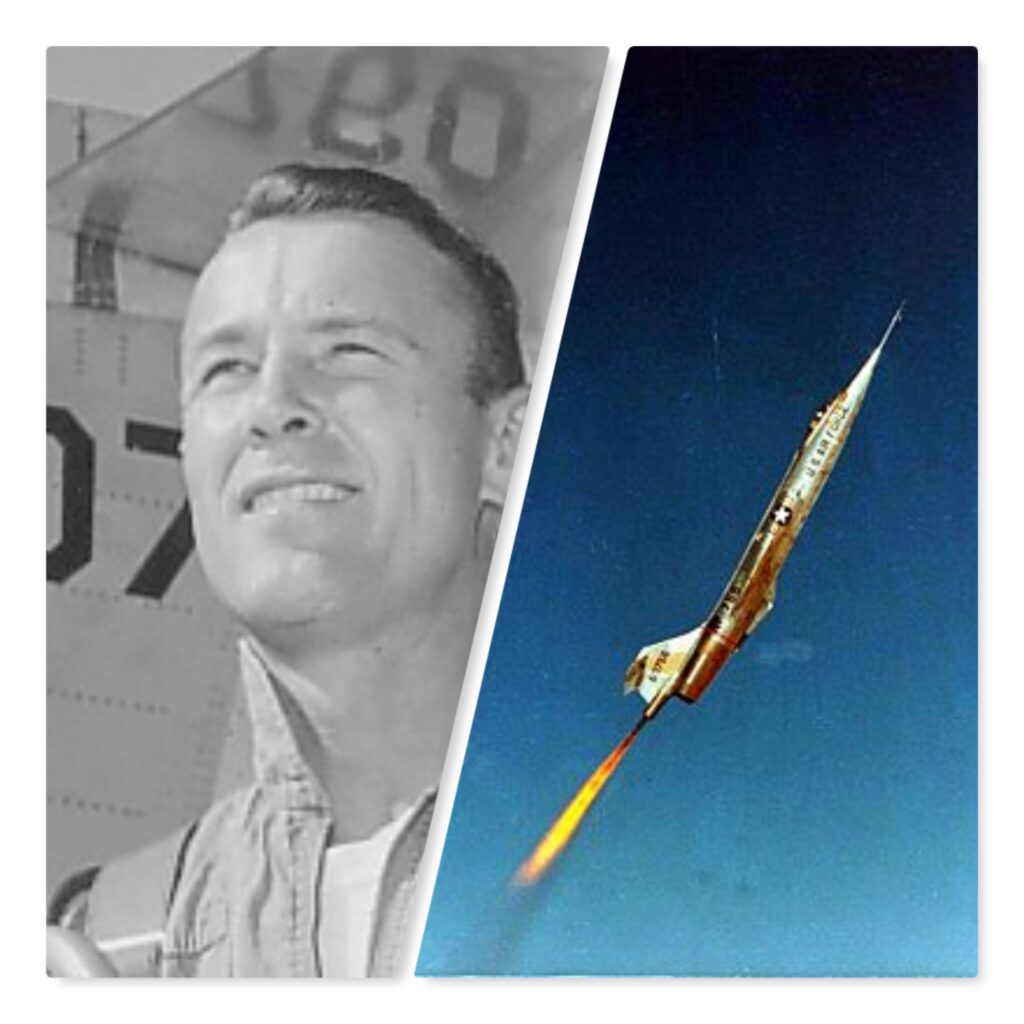
1963: Maj Robert W. Smith pilots the NF-104A Aerospace Trainer, with its ballistic controls (attitude control nozzles on the wing tips, nose, and tail) and a 6,000-pound thrust rocket engine, to 120,800 feet above
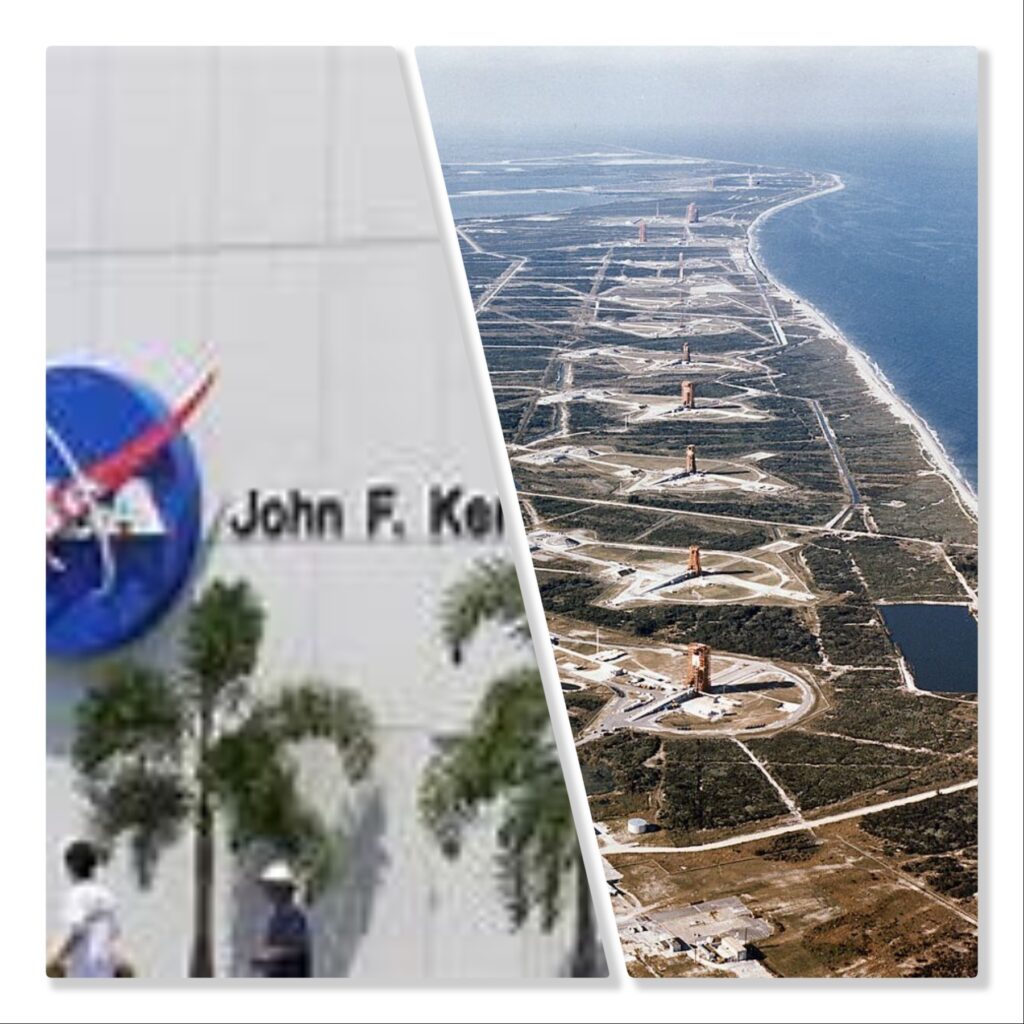
1963: President Lyndon B. Johnson designates National Air and Space Administration and other facilities at Cape Canaveral as the John F. Kennedy Space Center.
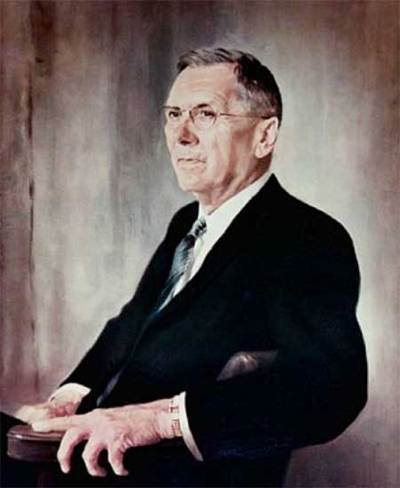
1965: Dr. Hugh L. Dryden, the first Deputy Administrator of the National Air and Space Administration, dies at the age of 67. He was an internationally renowned scientist-engineer, whose career began with the airplane. He
1965: CUBAN REFUGEE AIRLIFT: Through 30 June 1966, Military Air Transport Service airlifters move 26,745 Cuban refugees in 291 flights.
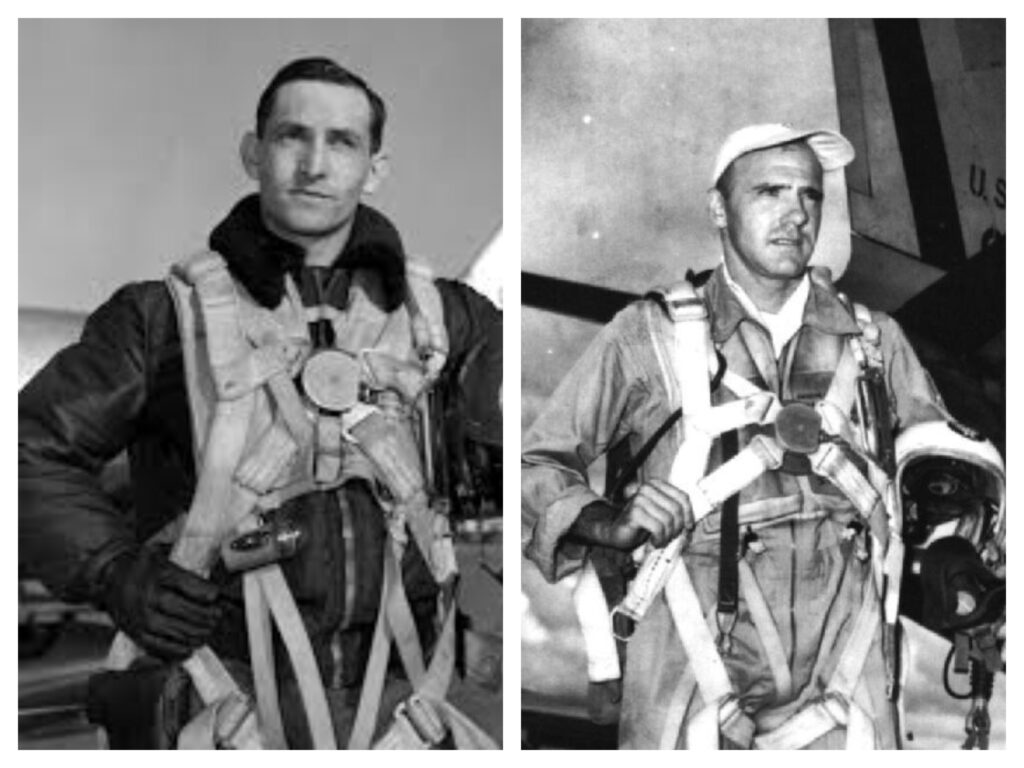
1951: KOREAN WAR. F-86 pilots from the 4th Fighter Interceptor Group engage 44 enemy aircraft, destroying 12 and damaging 3 others. Maj George A. Davis Jr., 334 FIS, a former WWII ace, achieves Korean War